

Role of antioxidants in herbal healing: 2026 guide
Antioxidants are compounds in herbs that protect the body by neutralising harmful free radicals, making them central agents in herbal healing. The role of antioxidants in herbal healing goes far beyond simple chemistry. Specific extracts such as Matricaria chamomilla have demonstrated up to 98.4% inhibition of protein denaturation in laboratory conditions, pointing to genuine anti-inflammatory and cellular protective potential. Phytochemicals, the recognised scientific term for the bioactive compounds responsible, include polyphenols, flavonoids, and terpenoids. These compounds work through pathways like Nrf2 and NF-κB to reduce oxidative stress and support the body’s own defences.
How do antioxidants function in herbal healing?
Free radicals are unstable molecules produced by normal metabolism, pollution, and stress. They damage cells by stealing electrons, a process called oxidative stress. Left unchecked, oxidative stress links directly to chronic inflammation, cardiovascular disease, and neurological decline.
Herbal antioxidants neutralise free radicals by donating electrons without becoming unstable themselves. This stops the chain reaction of cellular damage before it spreads. The mechanism is well understood at the molecular level, and it explains why plants with high antioxidant content have been used in traditional medicine for centuries.
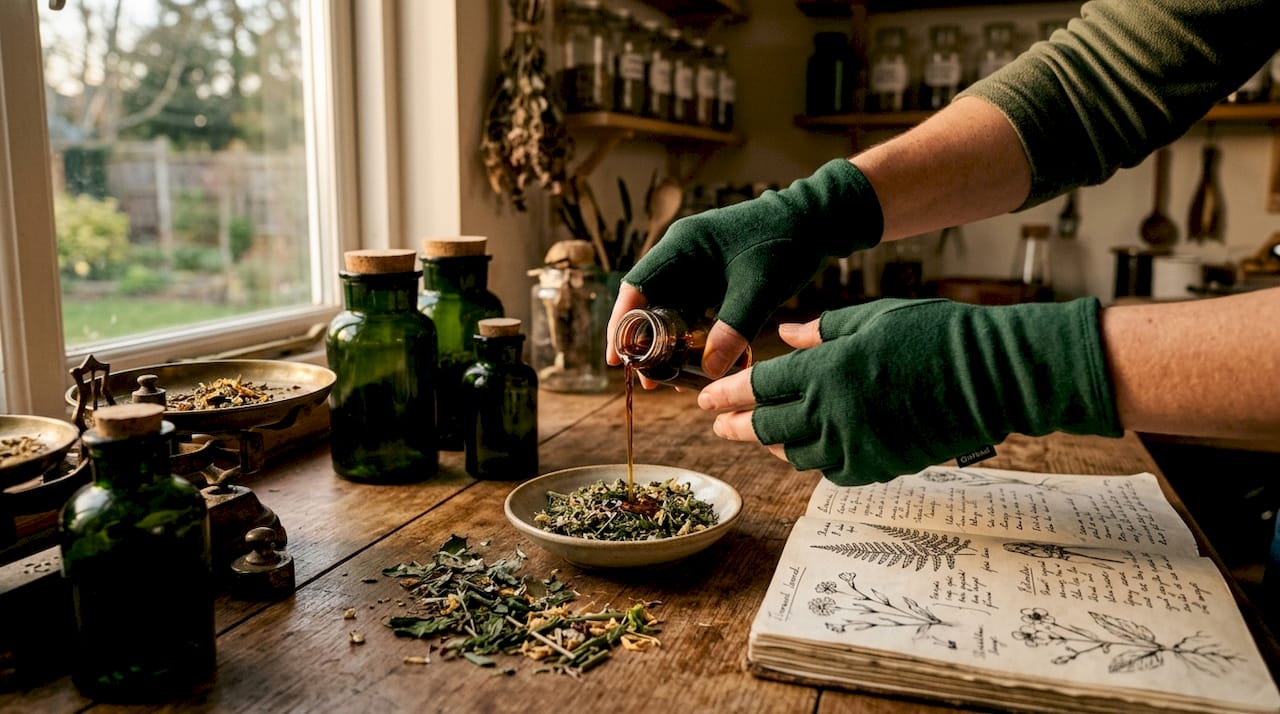
The biochemistry goes deeper than simple scavenging. Polyphenols and flavonoids activate the Nrf2 signalling pathway, which switches on the body’s own detoxifying enzymes. They also suppress NF-κB and COX-2, two key drivers of chronic inflammation. This dual action, fighting free radicals directly and upregulating the body’s internal defences, is what makes herbal antioxidants particularly effective.
Herbs do not deliver a single isolated molecule. They provide a complex matrix of bioactive compounds that work together. This synergy amplifies the overall effect beyond what any single compound could achieve alone. A chamomile extract, for example, contains flavonoids, phenolic acids, and terpenoids that interact to produce effects greater than the sum of their parts.
Key bioactive compound classes found in healing herbs include:
- Flavonoids (quercetin, kaempferol): found in chamomile, elderflower, and rosemary; reduce inflammation and protect cell membranes
- Phenolic acids (rosmarinic acid, caffeic acid): concentrated in rosemary and sage; strong free radical scavengers
- Terpenoids (thymol, carvacrol): present in thyme and oregano; antimicrobial and antioxidant properties
- Tannins: found in green tea and oak bark; bind and neutralise reactive oxygen species
Pro Tip: When choosing herbal products, look for full-spectrum or whole-plant extracts rather than isolated compounds. The synergistic effect of the complete phytochemical profile delivers stronger antioxidant activity than any single ingredient.
Which herbs provide the most potent antioxidants?
Not all herbs are equal in antioxidant strength, and the part of the plant you use matters considerably. Leaves and flowers generally contain higher concentrations and greater diversity of phenolic antioxidants than stems or roots across multiple species. This is because these parts are most exposed to environmental stressors like UV radiation, which triggers the plant to produce protective compounds.
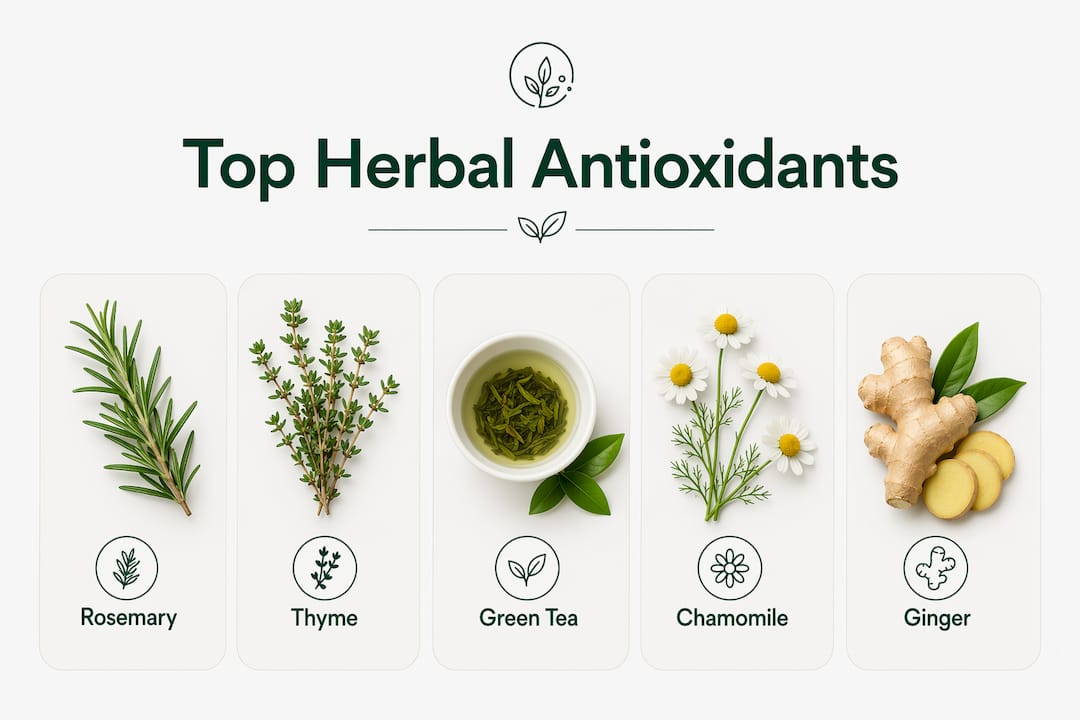
Rosemary (Rosmarinus officinalis) is one of the most studied herbs for antioxidant activity. Its leaves are rich in rosmarinic acid and carnosic acid, both potent free radical scavengers. Ginger (Zingiber officinale) contains gingerols and shogaols, which show strong anti-inflammatory and antioxidant effects. Chamomile (Matricaria chamomilla) delivers flavonoids and phenolic acids, with variable antioxidant assay results depending on extraction method and formulation.
| Herb | Primary antioxidant compounds | Highest concentration in | Relative potency |
|---|---|---|---|
| Rosemary | Rosmarinic acid, carnosic acid | Leaves | Very high |
| Ginger | Gingerols, shogaols | Rhizome | High |
| Chamomile | Apigenin, phenolic acids | Flowers | High |
| Soursop | Acetogenins, flavonoids | Leaves | High |
| Thyme | Thymol, rosmarinic acid | Leaves | Very high |
| Green tea | Catechins (EGCG) | Leaves | Very high |
Extraction method significantly affects how much antioxidant activity reaches you. Water-based teas extract water-soluble polyphenols effectively. Alcohol tinctures capture a broader range of compounds. Advanced methods such as ultrasound-assisted and nanoformulation techniques increase bioavailability further, though these are more common in standardised supplements than home preparations.
Standardisation is the process of ensuring a herbal product contains a consistent, verified level of its active compounds. Without it, two products labelled identically can vary dramatically in potency. Quality herbal products will state the percentage of key phytochemicals on the label.
Pro Tip: For teas, steep leaves and flowers rather than stems for maximum antioxidant yield. A five-minute steep at just below boiling (around 90°C) preserves heat-sensitive polyphenols better than a full rolling boil.
What clinical evidence supports antioxidant benefits in herbal healing?
The clinical picture for herbal antioxidants is growing stronger. A pilot study with 72 participants found that four weeks of supplementation with rosemary and ginger extracts significantly reduced oxidative DNA damage markers in overweight adults and smokers. This is meaningful because DNA damage from oxidative stress is a precursor to both cancer and accelerated ageing.
The same research revealed an important nuance. Antioxidant benefits vary by baseline health. People with elevated oxidative stress, such as smokers or those who are overweight, showed the most pronounced improvements. Healthy individuals with already low oxidative stress showed smaller measurable changes. This does not mean herbal antioxidants are ineffective for healthy people. It means the body uses what it needs.
The benefits observed in clinical settings span several health areas:
- Cardiovascular protection: polyphenols reduce LDL oxidation, a key step in arterial plaque formation
- Neurological support: flavonoids cross the blood-brain barrier and reduce neuroinflammation linked to cognitive decline
- Immune modulation: antioxidants reduce the chronic low-grade inflammation that suppresses immune function
- DNA protection: reduced oxidative DNA damage lowers long-term risk of cellular mutations
- Metabolic health: reduced oxidative stress improves insulin sensitivity in metabolic conditions
Inflammatory markers including C-reactive protein and interleukin-6 showed measurable reductions in trials using rosemary and ginger. These are the same markers elevated in conditions ranging from arthritis to heart disease. The clinical evidence now supports what antioxidants in traditional medicine have long suggested: consistent use of antioxidant-rich herbs produces real, measurable changes in the body.
How to incorporate antioxidant-rich herbal remedies into your routine
Sourcing quality herbs is the first decision that determines everything else. Look for certified organic products with clear labelling of phytochemical content. Loose-leaf teas and whole dried herbs generally retain more antioxidant activity than pre-ground powders, which oxidise faster once exposed to air.
The form you choose affects both convenience and potency:
- Herbal teas: the simplest and most accessible form. Steep leaves or flowers for 5–10 minutes. Ideal for daily use with herbs like chamomile, rosemary, and soursop leaves.
- Tinctures and liquid extracts: alcohol-based preparations that extract a wider range of compounds. More concentrated than teas and longer-lasting.
- Standardised capsules or tablets: useful when consistent dosing matters, particularly for therapeutic purposes.
- Topical applications: herbal oils and infused preparations deliver antioxidants directly to skin and underlying tissue, supporting localised inflammation and cellular repair.
- Multi-herb blends: traditional formulas like Essiac tea combine several antioxidant-rich plants, potentially amplifying synergistic effects.
Combining herbs thoughtfully increases antioxidant coverage. Rosemary and ginger together, as studied clinically, address both lipid oxidation and DNA damage. Chamomile paired with green tea provides complementary flavonoid profiles. Soursop leaves bring acetogenins that work through different cellular pathways.
Precautions matter. High-dose herbal antioxidant supplements can interact with blood-thinning medications, particularly those containing high levels of vitamin K or coumarin compounds. Pregnant women should consult a qualified practitioner before using concentrated herbal extracts. Dosage guidance on product labels reflects safety testing and should be followed.
Pro Tip: Rotate your herbal teas weekly rather than drinking the same one daily. Different herbs activate different antioxidant pathways, and rotation gives your body a broader spectrum of phytochemical support.
Key takeaways
Herbal antioxidants work through multiple biochemical pathways simultaneously, making whole-plant preparations more effective than isolated compounds for supporting the body’s natural defences.
| Point | Details |
|---|---|
| Free radical neutralisation | Herbal antioxidants donate electrons to stop oxidative chain reactions before cellular damage spreads. |
| Pathway activation | Polyphenols and flavonoids activate Nrf2 and suppress NF-κB, upregulating the body’s own defences. |
| Plant part selection | Leaves and flowers contain higher phenolic concentrations than stems or roots across most species. |
| Health baseline matters | People with elevated oxidative stress, such as smokers or overweight individuals, see the strongest measurable benefits. |
| Synergy over isolation | Full-spectrum herbal extracts outperform single-compound supplements due to phytochemical interaction effects. |
Why I think we are still underestimating herbal antioxidants
The clinical research on herbal antioxidants is genuinely exciting, but I think most people, and many practitioners, are still reading it too narrowly. The conversation tends to focus on single herbs or single compounds. Rosemary gets credit for rosmarinic acid. Chamomile gets credit for apigenin. That framing misses the point entirely.
What makes a herb therapeutically interesting is the interaction between its dozens of compounds. The phytochemical complexity of a whole plant extract is not a complication to be standardised away. It is the mechanism. When researchers try to isolate the “active ingredient,” they often find the isolated compound performs worse than the whole extract. That should tell us something.
The limitation I see most often in current research is the short trial duration. Four weeks is enough to see changes in oxidative stress markers. It is not enough to understand long-term effects on chronic disease progression. We need longer studies, and we need them in diverse populations, not just overweight adults or smokers.
My practical advice is this: do not wait for perfect clinical certainty before using antioxidant-rich herbs. The safety profile of well-sourced herbal teas is excellent. The biochemical rationale is solid. Start with quality whole-plant preparations, rotate your herbs, and pay attention to how your body responds over months, not days.
— Mabel
Antioxidant herbal teas and wellness products from Getgutted
Choosing the right herbal products makes the difference between a vague wellness intention and a consistent, effective routine.
Getgutted sources and formulates antioxidant-rich herbal teas with ingredient purity and phytochemical integrity as the standard. The herbal teas collection includes whole-leaf and flower preparations spanning chamomile, soursop, blue lotus, and traditional multi-herb blends. Each product is selected for its antioxidant profile and traditional therapeutic use. Whether you are building a daily tea ritual or looking for a targeted blend to support detoxification and inflammation, Getgutted’s range offers a well-curated starting point grounded in ancestral herbal practice and current botanical science.
FAQ
What is the role of antioxidants in herbal healing?
Antioxidants in herbs neutralise free radicals and activate cellular defence pathways like Nrf2, reducing oxidative stress and chronic inflammation. This makes them central to the healing properties attributed to medicinal plants.
Which herbs have the highest antioxidant content?
Rosemary, thyme, green tea, chamomile, ginger, and soursop consistently rank among the highest in antioxidant activity. Leaves and flowers generally contain more phenolic compounds than roots or stems.
How do antioxidants in herbs differ from synthetic antioxidants?
Herbal antioxidants work as a complex mixture of phytochemicals that interact synergistically, whereas synthetic antioxidants are typically single isolated compounds. The synergistic effect of whole-plant extracts often produces stronger and broader therapeutic activity.
Do herbal antioxidants work for everyone equally?
Clinical evidence shows that people with elevated oxidative stress, such as smokers or overweight individuals, experience the most measurable benefits. Healthy individuals still benefit, but the changes are less pronounced because their baseline oxidative stress is already lower.
What is the best way to consume antioxidant-rich herbs?
Herbal teas made from leaves and flowers, steeped for 5–10 minutes at around 90°C, are the most accessible and effective daily method. Rotating between different herbs weekly maximises the range of antioxidant pathways activated.